
The complete product development process: 6 stages from idea to mass production
Most first-time hardware teams get stuck on the same question: “We have an idea, so what comes next?” The space is full of jargon like CNC, SLA, Vacuum Casting, and tooling, but few people explain the whole process from the start. In reality, turning an idea into a shelf-ready product takes roughly 6 stages, each with its own problems to solve and technologies to use. This article walks through that process in plain terms.
Concept and rough model
Using the simplest materials available (cardboard, clay, or even a desktop 3D printer), build a first model you can actually hold. This stage isn’t about looking good; it’s about validating basic dimensions, proportions, and use case before you spend real money and discover the direction was wrong.
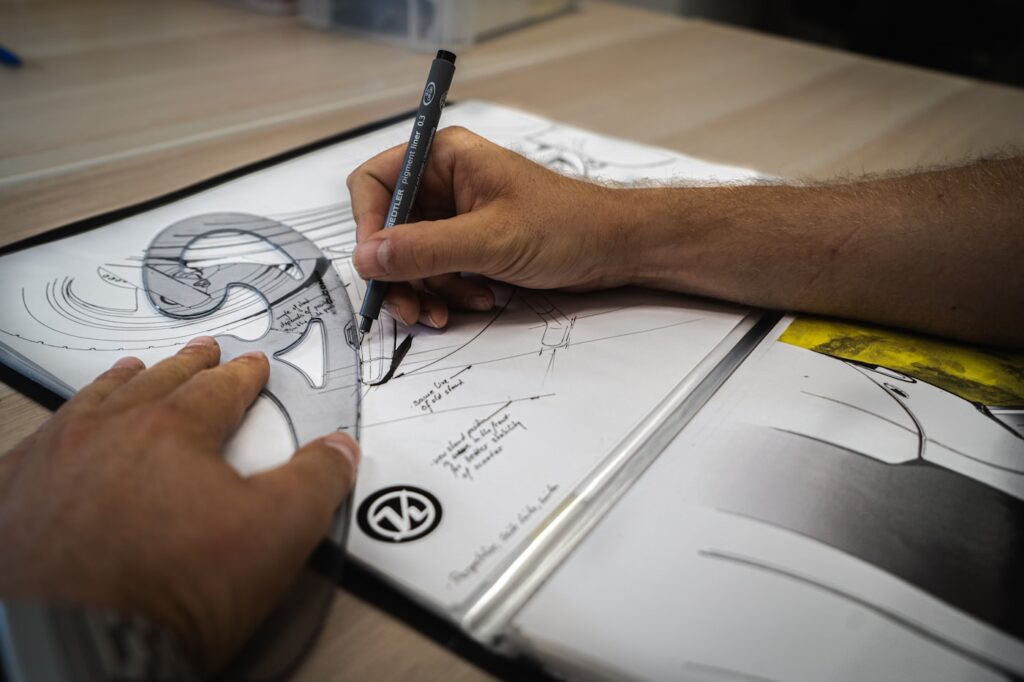
Design and 3D modeling
An industrial designer turns the concept into a complete 3D CAD file, locking down form, proportions, material feel, and the user interface. This 3D file becomes the common starting point for every prototype and manufacturing step that follows.
Prototyping and testing
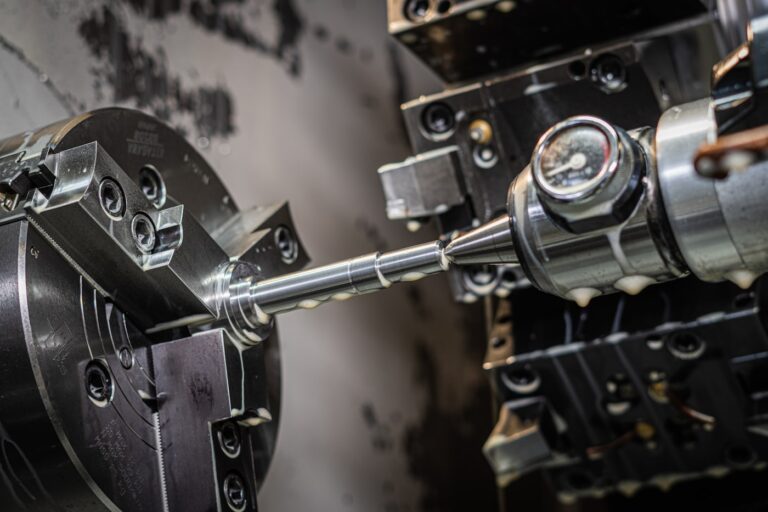
CNC machining or SLA 3D printing turns the 3D file into a prototype you can see, touch, and even operate. This is where real-world testing begins – button feel, whether parts bind, whether the appearance matches expectations.
Design freeze and DFM
Confirm the design is ready to move into mass production. Engineers check whether wall thickness is uniform, whether features release cleanly from the mold, and whether tolerances are reasonable. Adjustments made here directly affect how smoothly tooling goes and how high your yield will be.
Pilot production
Soft-tooling methods like vacuum casting (silicone molding) produce a pilot batch of 10-50 units, used to gauge market response, send samples to distribution partners, or serve as display units for crowdfunding – all without committing to the cost of production tooling up front.
Mass production
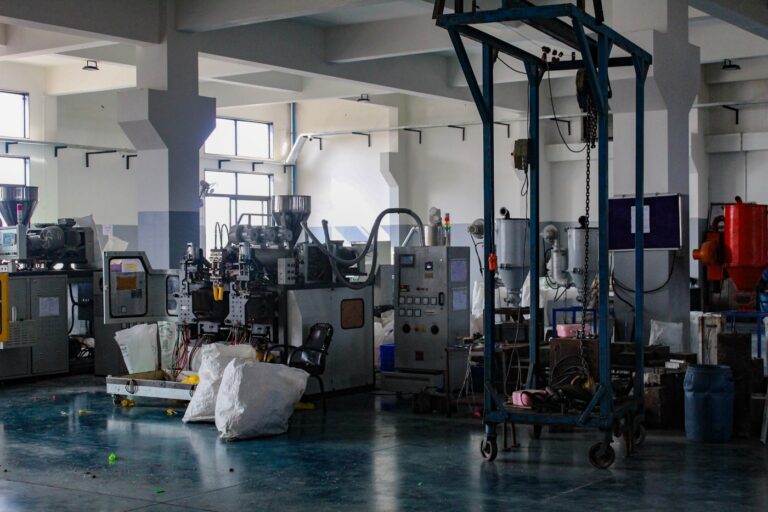
Once order volume is confirmed, production tooling is cut and the product moves into full-scale manufacturing via rapid tooling or conventional injection molding, backed by a QC system that keeps every batch consistent. This stage is the payoff of everything built up in the earlier ones.
Not every team needs to walk through all 6 stages in full. Some products skip pilot production and go straight to mass production; others cycle through several rounds of revision at the prototyping stage. What matters is understanding the whole map first, so you know where you are and who to talk to next.
Not sure which stage your product is at? Our team can help you assess it.