
What is prototyping? What hardware startups need to know before contacting a manufacturer
When a first-time hardware team asks a manufacturer for a quote, they’re often asked: “Do you need an appearance model or a functional prototype?” or “How many units?” If you can’t answer those basic questions, communication gets messy and quotes can vary wildly. This article explains what prototyping actually is, the different types, and what you should figure out before reaching out to a manufacturer for the first time.
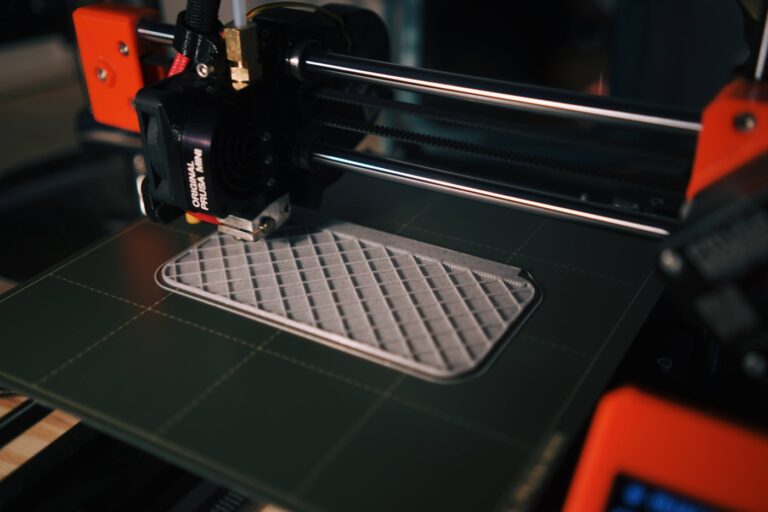
Prototyping turns an idea into something you can hold
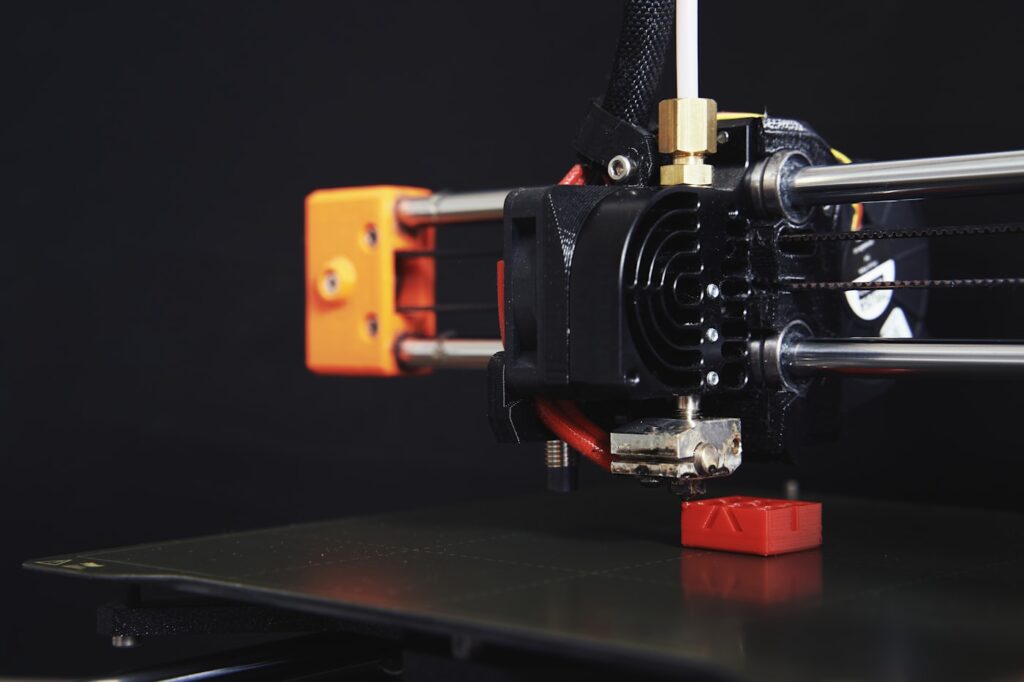
Prototyping means building one or a small number of physical samples before mass production, to check whether the appearance, dimensions, structure, or function match expectations. It isn’t the final product – it’s an intermediate version meant for validation, so your team can catch problems and fix the design before committing real money to tooling or large orders.
What a prototype needs to prove changes by stage. Early on it might just be proportions and how something feels in the hand; later it might be assembly tolerances and real operating function. Knowing exactly what kind of prototype you need right now is the most important first step before asking a manufacturer for a quote.
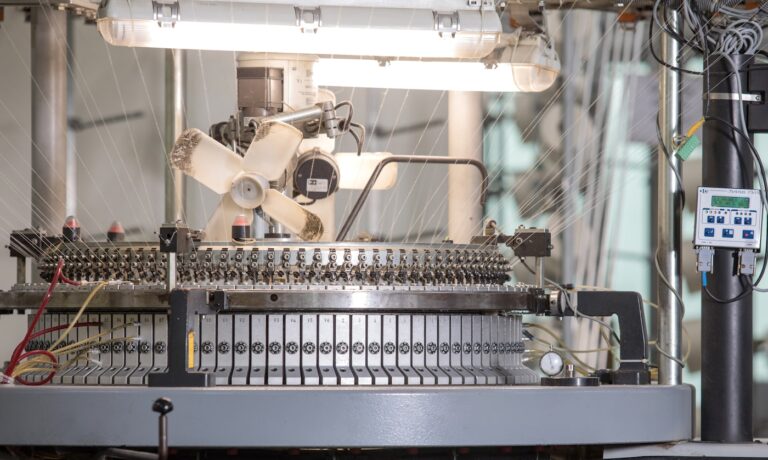
Two kinds of prototype, two completely different goals
An appearance model focuses on form, proportions, color, and surface finish matching the design. It’s commonly used for pitch decks, crowdfunding, or early market testing, and usually doesn’t need to work internally at all.
A functional prototype has to validate real-world use: button feel, whether parts bind, whether the structure is strong enough. These typically require more precise manufacturing methods (like CNC), so cost and lead time run higher than an appearance model.
Many teams don’t distinguish between the two early on, and end up paying for a functional prototype but only getting appearance-model-level validation – or the reverse, wasting time and money on precision they didn’t actually need.
| Method | Best for | Characteristics |
|---|---|---|
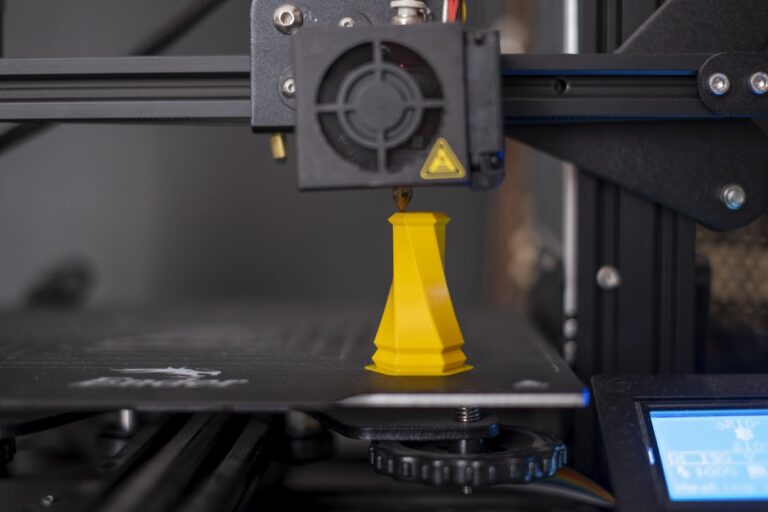
| SLA / FDM 3D printing | Concept validation, appearance models | Fast and low cost, good for checking form and proportion |
| CNC machining | Functional prototypes, precision checks | High precision, near-production materials, good for real-world testing |
| Vacuum casting | Pilot production | Silicone molds reproduce 10-50 units with material and finish closer to the final product |
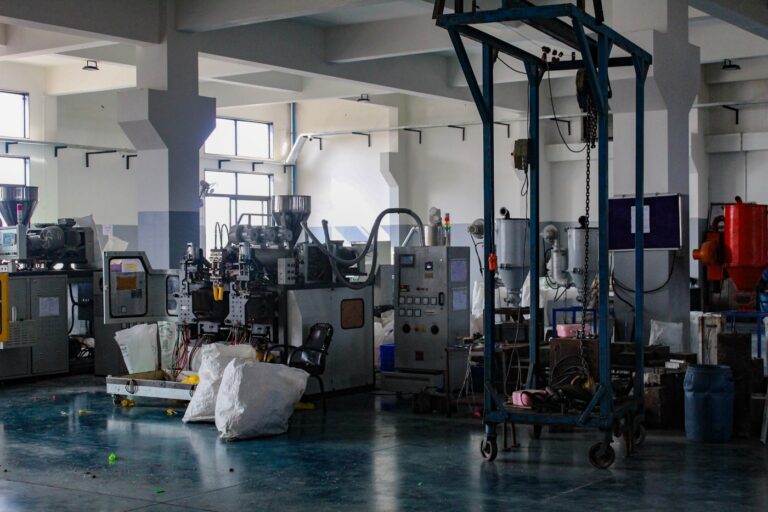
The methods used for prototyping usually aren’t the methods used for mass production
Prototyping commonly relies on CNC or 3D printing, which need no tooling and suit low volumes and fast iteration. Mass production typically switches to injection molding, which requires production tooling – unit cost drops as volume rises. That’s why per-unit prototype cost runs much higher than mass production cost. It’s normal, not a manufacturer overcharging you.
Understanding this difference means you won’t mistake “prototyping is expensive per unit” for “this manufacturer is expensive,” and you can budget more accurately.
“The prototype has to match the final product exactly”
In reality, materials and surface finish often differ from the final product. What matters is validating whatever needs confirming at that stage – not achieving 100% match.
“Cheaper prototypes are always better”
Picking the wrong method or insufficient precision can distort your validation results, meaning design problems only surface once you’re in mass production – costing far more to fix at that point.
“One round of prototyping is enough”
Most products need 2-3 rounds of revision, especially products combining mechanical parts and electronics. Getting it right in one pass is the exception, not the norm.
Knowing whether you need an appearance model or a functional prototype right now, and roughly how many revision rounds to expect, is the most valuable thing to figure out before talking to a manufacturer. It gets you a more accurate quote and helps you avoid repeated missteps during prototyping.
Not sure which type of prototype your product needs? Our team can help you assess it.