
Industrial designer vs mechanical engineer: who should lead prototyping?
When a startup sets out to build its first hardware product, it usually runs into a basic question nobody explains clearly: “Do we need an industrial designer or a mechanical engineer?” To make it worse, job listings in the industry frequently use the two titles interchangeably, which only adds to the confusion for first-timers. This article lays out what each role actually does, and who should lead at each stage of prototyping.
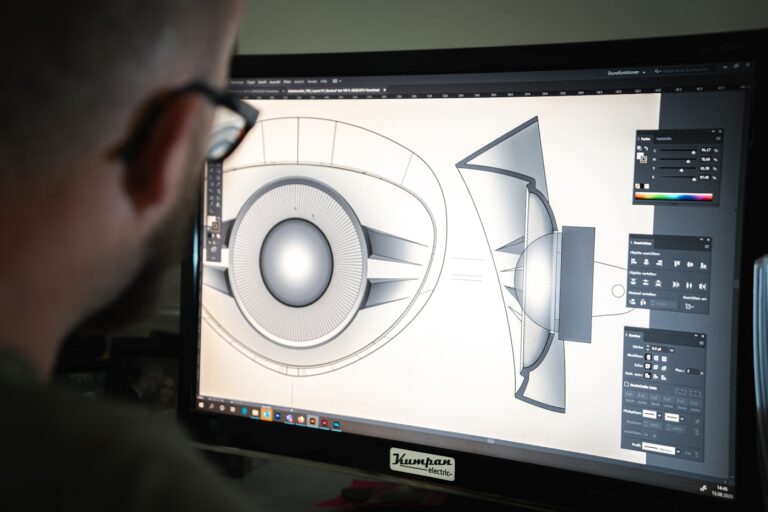
Industrial designer
- Owns form, proportion, color, and material feel
- Thinks through use cases and ergonomics
- Produces 3D renders and appearance models
- Goal: a product that looks good, works intuitively, and fits the brand
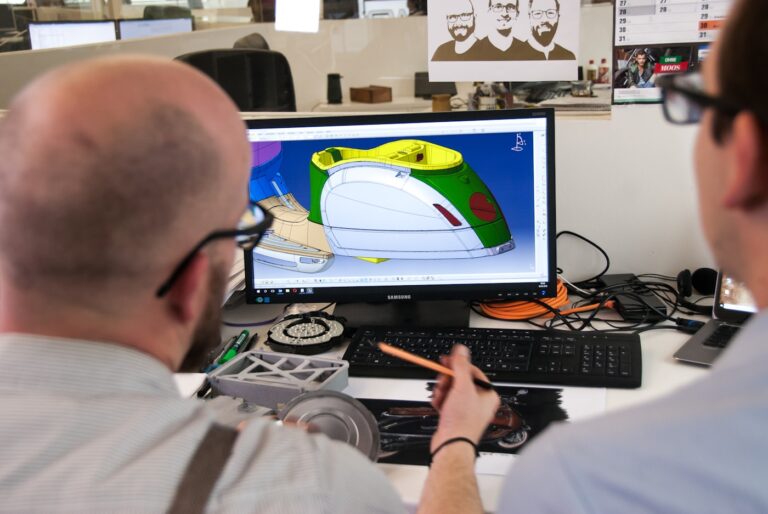
Mechanical engineer
- Turns the exterior design into a manufacturable structure
- Decides materials, wall thickness, fasteners, assembly method
- Owns functional prototypes and DFM validation
- Goal: a product that can actually be built and mass-produced reliably
A “mechanical designer” job posting often means industrial design work in practice
At small and mid-sized hardware teams, job titles and actual responsibilities frequently don’t line up. A “mechanical designer” posting might really be asking for someone to also handle appearance concepts; an “industrial designer” posting might also expect structural design skills. This isn’t unique to startups – the line between the two roles is genuinely fuzzier in practice than it looks in a textbook.
A more useful way to judge is to ignore the title and look at actual deliverables: if someone only produces renders and appearance models, that’s typically industrial design. If they can produce mold-ready structural drawings, tolerance analysis, and material selection, that’s already mechanical engineering territory.
Appearance model stage: industrial designer leads
The priority here is validating form, proportion, and first impressions. The mechanical engineer doesn’t need to dive into structural detail before the look is settled.
Functional prototype and DFM: mechanical engineer leads
Once the exterior is locked, the mechanical engineer takes over structure, tolerances, assembly, and manufacturability. The industrial designer’s role shifts to a supporting one – making sure structural adjustments don’t compromise the design too much.
Pilot to mass production: both are needed, but the engineer is the main point of contact
This stage is mostly about coordinating process details with the manufacturer; the industrial designer typically only steps in for appearance-related sign-off.
Instead of agonizing over whether to hire an “industrial designer” or a “mechanical engineer,” figure out which stage you’re actually stuck at. If you still don’t know what the product should look like, start with an industrial designer. If the look is locked and you’re now asking how to actually build it, that’s when a mechanical engineer takes over. Most startups end up needing both – just at different points in time.
Not sure which role your product needs right now? Our team can help you figure it out.