
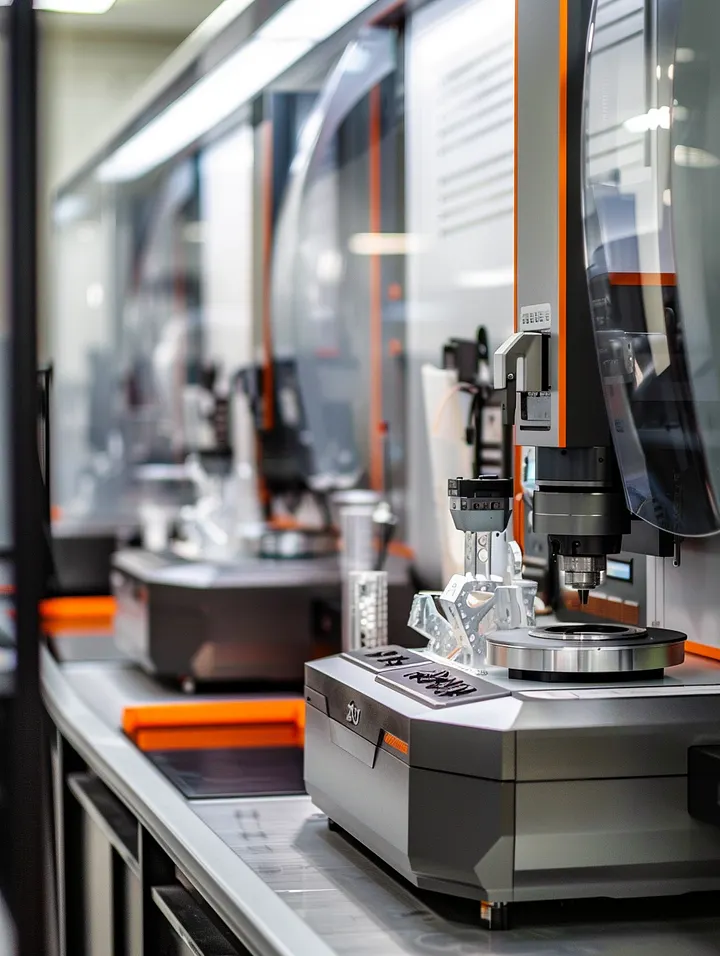
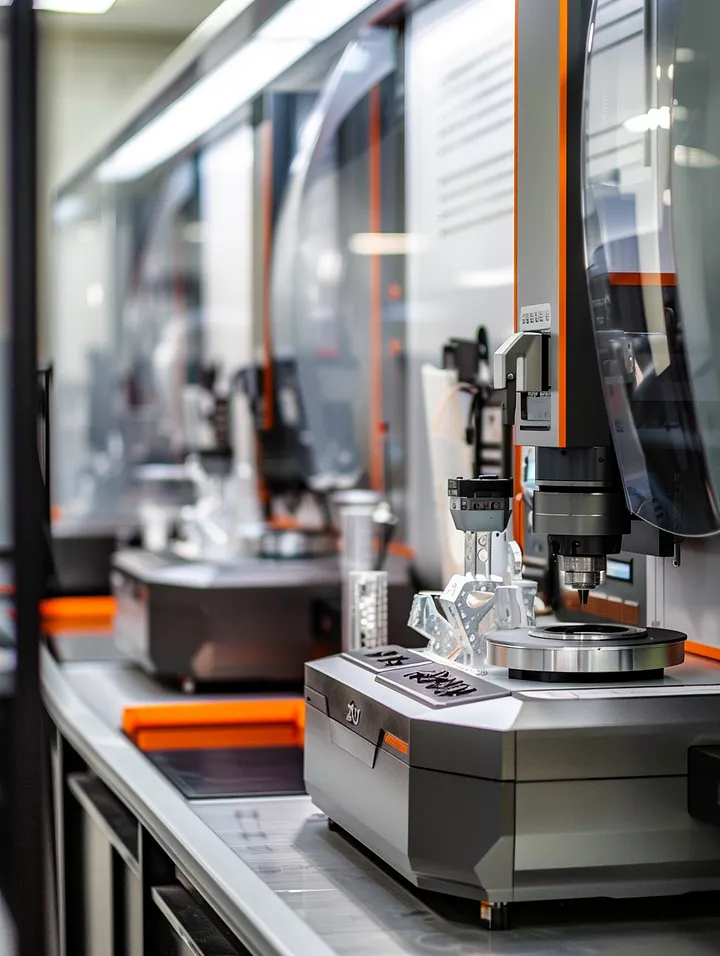
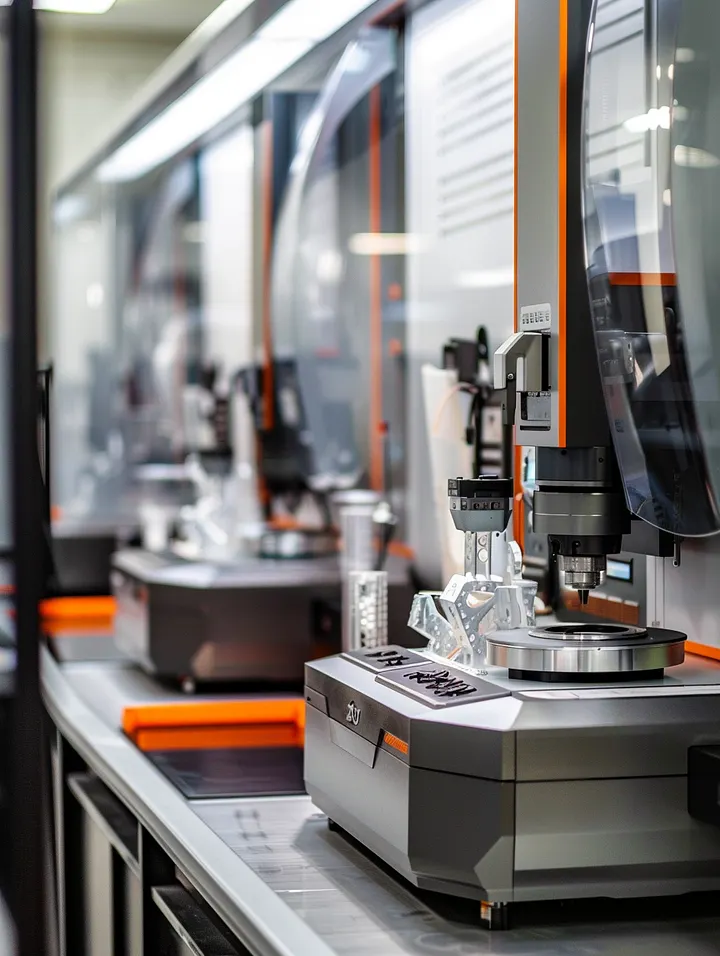
In the complex environment of manufacturing, models, molds, jigs, and 3D printed models play critical roles, each with its unique functions and applications. This article delves into the differences among these concepts, highlighting the professional services provided by IDMockup in this field.
Differences Between Model Making, Mold Making, and Jig Making
Model making, mold making, and jig making each play distinct yet related roles in the manufacturing process. First, model making involves creating physical or virtual representations used to display, test, or evaluate product designs. These can be prototype models for testing the appearance and functionality of a product or conceptual models to showcase design ideas. Model making often employs various materials such as plastic, metal, and resin and may require detailed craftsmanship or digital design techniques.
Next, mold making refers to the creation of tools or molds used for mass production of products. These molds are typically made from metals or other durable materials and are produced using precision techniques such as machining. The primary goal of mold making is to ensure the products produced are uniform in size, shape, and quality, thereby reducing production costs and enhancing efficiency.
Lastly, jig making involves special tools or devices used in manufacturing, assembling, or testing products. These jigs are designed to meet specific product or process requirements, enhancing production efficiency, reducing labor costs, and ensuring consistency and accuracy in manufacturing. Jig making may involve the design and fabrication of various fixtures, holding tools, and testing equipment.
Advantages of 3D Printed Models
Compared to traditional CNC-produced models, 3D printed models offer several advantages:
- Rapid Prototyping: 3D printing allows for quick creation of prototype models, accelerating the product development cycle.
- Design Freedom: With the ability to produce complex shapes and structures, 3D printing offers higher design freedom, enabling more creative and unique product designs.
- Cost-Effectiveness: Generally, 3D printing is more cost-effective than traditional CNC machining, especially for small batch production or customized production.
- Material Waste Reduction: As an additive manufacturing process, 3D printing only uses the materials needed, reducing waste.
- Ease of Design Iteration: The quick production time of 3D printed models allows for easy creation of multiple prototype versions, facilitating design iteration and optimization.
Professional Services by IDMockup
IDMockup is a professional model (and 3D model) making company committed to providing various types of model making services. We, as also a manufacturer of jigs and molds, possess extensive manufacturing experience and expertise, capable of meeting diverse customer needs. In addition, we offer 3D printing model making services, utilizing advanced 3D printing technology to deliver high-quality, precise models to our clients.
Conclusion
Models, molds, jigs, and 3D printed models each play important roles in manufacturing, each with its unique characteristics and application areas. As a professional model making company, IDMockup is dedicated to offering high-quality, innovative model making services to meet the varied needs of our customers. If you require model making services, please do not hesitate to contact us; we are eager to serve you.
#ModelMaking #MoldMaking #JigMaking #3DPrinting #IDMockup #Manufacturing #PrototypeDesign #Innovation #CostEfficiency #RapidPrototyping #CustomManufacturing